

Most independent car rental operators are quoted $4,000 to $6,000 per car per year because they are quoted full-time commercial coverage, a policy type built for national chains rather than a five-car fleet. Experienced operators structure insurance in two layers instead: a lean off-rental policy they pay for, covering cars between trips, and on-rental coverage the renter pays for, verified with their carrier or purchased at checkout. This split is how small fleets run their own booking channel without the insurance bill deciding the outcome.
This article is not insurance or legal advice. The structure described here must be set up with a licensed broker who works with rental fleets. Requirements and permitted arrangements vary significantly by state.
After sitting in on more than 100 conversations with Turo hosts and independent operators this year, we can tell you the most common reason a private car rental business stalls before it launches. It isn't the website. It isn't finding renters. It's one phone call with an insurance agent.
The operator asks for "commercial insurance for my rental cars." The agent quotes $400 to $500 per car, per month. The operator multiplies that across the fleet, closes the spreadsheet, and the plan quietly ends there.
Here's what that phone call gets wrong, and how operators who successfully run direct rentals actually structure their coverage.
At a glance
- Most agents quote full-time commercial coverage, which insures the car 24 hours a day, all year. For most independent operators, it is the wrong product.
- The working structure is two layers: off-rental coverage you pay for, on-rental coverage the renter pays for.
- On-rental coverage comes from verifying the renter's own policy with their carrier, or having them purchase trip protection at checkout.
- An insurance card is not verification. It is a screenshot of a past state, and it is trivially forged.
- The rule that makes it work: no verified or purchased coverage, no keys. Every renter, every booking, no exceptions.
Why are car rental business insurance quotes so expensive?
Because most agents quote full-time commercial rental coverage, a policy that insures your car during active rentals, 24 hours a day, all year. That is the most expensive possible way to insure a rental fleet, and for most independent operators it is the wrong product. Your car does not need you to insure the trip if the renter's coverage is handling the trip.
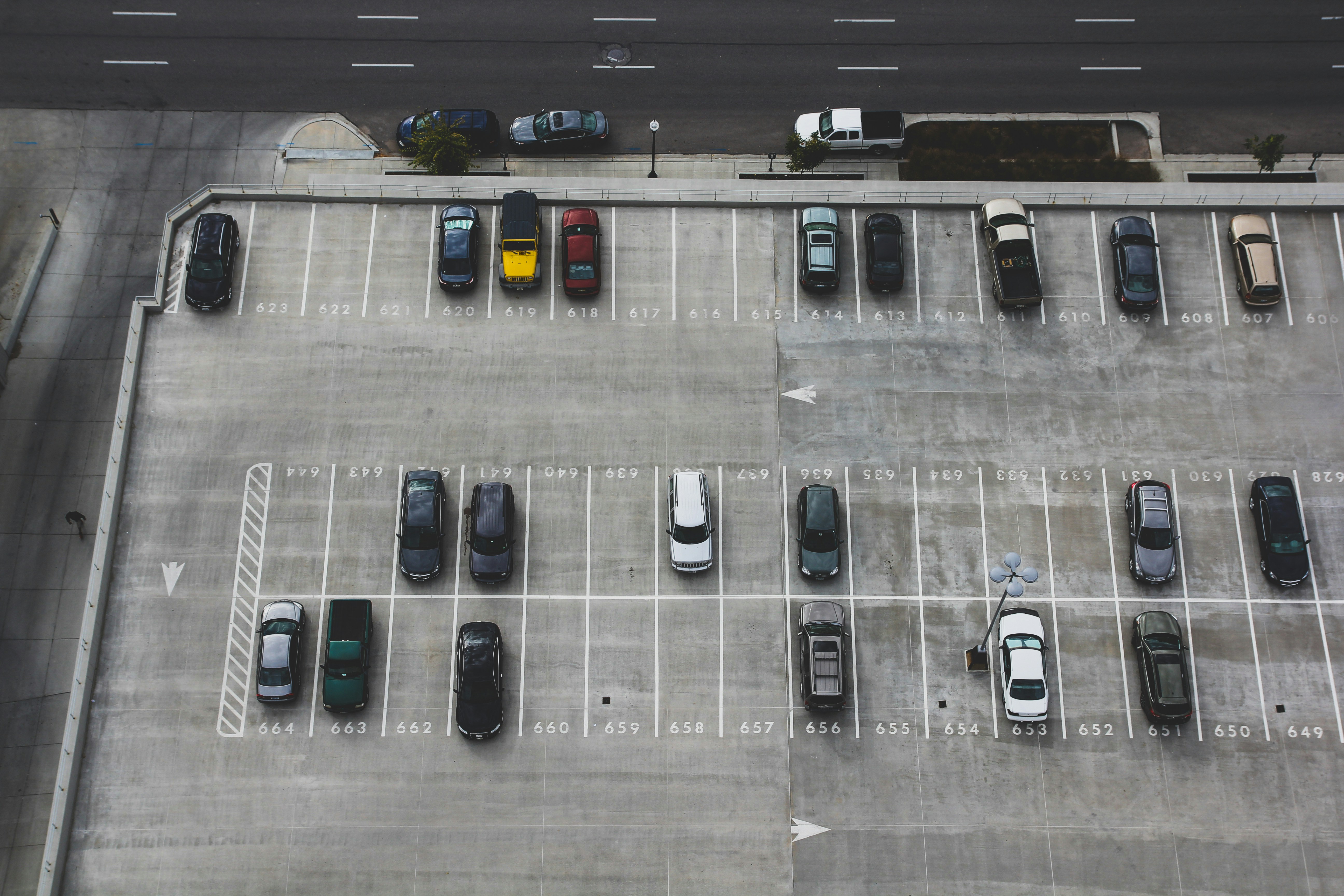
Think about what a rental car's life actually looks like. Some days it is parked. Some days it is in maintenance or being delivered. And some days it is on a trip, driven by a renter who, in a well-run operation, has their own verified insurance or has purchased trip coverage.
A policy that charges you as if the car is your liability every hour of the year ignores that structure. You end up paying to cover risk that should sit, and in professional rental operations always has sat, with the renter.
What is the two-layer insurance structure?
Split coverage by who is responsible when. Off-rental insurance, which you pay for, covers your vehicles between trips. On-rental coverage, which the renter pays for, covers the vehicle during the rental, either by verifying the renter's own policy directly with their carrier or by having them purchase damage and liability protection at checkout.
Layer 1: off-rental coverage, yours
This is a commercial policy covering your fleet when cars are not on a rental: parked at your lot, in the shop, being repositioned or delivered. Because it excludes active rental periods, it prices dramatically lower than full-time commercial coverage.
What to ask a broker for, in their language: coverage for a rental fleet during off-rental periods, and be explicit that on-rental risk is transferred to the renter through verified personal coverage or purchased trip protection. If the quote does not drop meaningfully after that sentence, you are talking to the wrong provider.
Specialist brokers who work with peer-to-peer and independent rental operators quote this structure routinely. General commercial agents often do not know it exists.
Layer 2: on-rental coverage, the renter's
During the trip, coverage follows one of two paths.
Path A: verify the renter's own insurance. Many renters carry personal auto policies that extend to rental vehicles. The critical word is verify, not "look at a photo of an insurance card." Insurance cards are screenshots; screenshots get forged constantly, and an expired or fabricated card is worthless the day something goes wrong. Real verification means confirming the policy directly with the carrier: active status, coverage levels, expiration, and whether the renter is actually named on it.
Path B: the renter purchases trip coverage. If a renter has no insurance or cannot verify it, they buy damage and liability protection for the rental period at checkout, before the booking completes. Providers such as Bonzah and ABI exist specifically for this. The cost is theirs, typically added to the booking the way airlines price bags, and the coverage is trip-specific.
The operating rule that ties it together: no verified or purchased coverage, no keys. Applied consistently, to every renter and every booking, this rule is what makes the two-layer structure insurable, defensible, and affordable.
Full-time commercial vs the two-layer structure
| Full-time commercial | Two-layer structure | |
|---|---|---|
| Who covers the trip | You, all year | The renter, per rental |
| Who covers between trips | You | You |
| Typical annual cost per vehicle | $4,000 to $6,000 | A fraction of that for the off-rental layer |
| Cost scales with | Fleet size | Fleet size, for the off-rental layer only |
| Renter contributes | Nothing | Their own verified policy, or purchased trip coverage |
| Requires verification discipline | No | Yes, on every booking |
| Fails when | Never, you have simply overpaid | Verification is inconsistent or skipped |
| Suits | Fleets that cannot verify renters | Operators running a controlled booking process |
The last two rows are the honest trade. The two-layer structure is cheaper because you are doing work the premium would otherwise cover. Skip the work, and you have neither the coverage nor the protection.
How much does car rental business insurance actually cost?
Full-time commercial rental coverage is commonly quoted at $4,000 to $6,000 per vehicle per year, with operators in hard markets reporting quotes above $7,000. A properly structured off-rental policy typically runs a fraction of that, because the renter's verified or purchased coverage absorbs on-trip risk. Exact pricing varies significantly by state, vehicle value, fleet size, and driving history. Florida and Massachusetts are consistently reported among the toughest markets.
Two honest caveats.
First, the numbers here are what operators report being quoted. Your quotes will vary, and this article is not insurance advice. Structure the specifics with a licensed broker who knows rental fleets.
Second, the split model is not a loophole. It is the same principle traditional rental companies have always used. The counter's "do you want the damage waiver?" is renter-paid on-rental coverage. Independent operators are simply late to structuring it the same way.
How do you actually set this up?
Six steps, in this order. The sequence matters, because a broker conversation without a defined verification process behind it will not get you the off-rental quote.
- Define your minimum coverage requirements by vehicle class before you speak to anyone. What liability limits will you accept, and do premium vehicles require more?
- Set up carrier-connected insurance verification in your booking flow, so you can demonstrate that on-rental risk is genuinely transferred rather than assumed.
- Add a purchased-coverage option at checkout for renters who cannot verify their own policy, so a failed check becomes a covered booking rather than a lost one.
- Approach a specialist broker who works with rental fleets, and describe the structure explicitly: off-rental coverage only, on-rental risk transferred through verified or purchased coverage.
- Get the rental agreement right, covering deductible, tolls, impound, and damage beyond coverage, e-signed before pickup.
- Add a security deposit hold as the enforcement layer, sized against your deductible.
What mistakes get operators in real trouble?
Four of them, and the first is the one that ends businesses.
Renting on a personal auto policy. Personal policies exclude commercial use. One claim on a car that turns out to be rented for money, and you are looking at denial, cancellation, and personal exposure. This is the single most dangerous shortcut in the industry.
Accepting insurance screenshots. If your "verification" is a photo in a text thread, you have no verification. Confirm with the carrier or have the renter purchase coverage.
Inconsistent process. Coverage rules only protect you if they are applied to every renter, including regulars and friends of friends. The renter who pushes back on verification is precisely the renter the process exists to filter.
No signed agreement connecting it. Insurance answers what is covered. Your e-signed rental agreement answers who is responsible for the deductible, tolls, impound, and damage beyond coverage. The two work as a system, with a security deposit held on card as the enforcement layer.
How does software fit into this?
The two-layer structure is an operating discipline, and it breaks when you run it manually. Checking cards by eye, chasing signatures, and holding deposits in trust does not survive a busy week.
Modern rental platforms automate the gate at booking. The renter verifies their identity, verifies insurance directly with their carrier or purchases trip coverage from an integrated provider, e-signs the rental agreement, and has a deposit held on card, all before pickup. Carrier-connected verification returns live policy data rather than a document image, which is the difference between confirming coverage and hoping.
FleetHQ builds this flow into every booking on an operator's own website, which is how a five-car independent runs the same insurance discipline as a national chain without a counter or a staff.
Sorting insurance for your own fleet? Start your free trial or book a demo.
Frequently Asked Questions
Do I need commercial insurance to rent out my car privately? Yes. Personal auto policies exclude commercial use, so renting on one risks claim denial and cancellation. But "commercial" does not have to mean full-time coverage. Most independent operators carry an off-rental commercial policy and transfer on-trip risk to the renter's verified or purchased coverage.
What is off-rental insurance? A commercial policy covering rental vehicles during periods when they are not rented: parked, in maintenance, or being delivered. It costs significantly less than full-time commercial coverage because active rental periods are excluded.
What is on-rental insurance? Coverage for the vehicle during an active rental, paid by the renter, either through their own personal policy verified directly with the carrier or through trip-specific damage and liability protection purchased at booking.
How do I verify a renter's insurance? Confirm the policy directly with the carrier: active status, coverage limits, expiration, and whether the renter is named on it. Carrier-connected verification services return this as live data rather than a document image.
Can renters buy insurance for a car rental? Yes. Trip-specific damage and liability coverage exists exactly for this, purchased at checkout for the rental period. Well-run operations require it whenever a renter cannot verify their own qualifying coverage.
Does Turo's insurance cover my direct bookings? No. Turo's protection plans apply only to trips booked through Turo. Any rental you take on your own booking channel needs its own structure: off-rental coverage for you, verified or purchased coverage for the renter.
What if a renter's insurance verification fails? Offer purchased trip coverage rather than declining outright. A renter who cannot verify their own policy is not necessarily bad, and a purchase option turns a lost booking into a covered one.
How much should I budget for fleet insurance? Full-time commercial coverage is commonly quoted at $4,000 to $6,000 per vehicle annually. A properly structured off-rental policy runs a fraction of that, but get real quotes from a specialist broker rather than budgeting from a range.
The bottom line
The insurance quote that stops most rental businesses is a quote for the wrong product. Split coverage by who is responsible when, verify every renter with their carrier rather than by eye, and require purchased coverage when verification fails. That structure is what makes an owned booking channel affordable to run.