





In 2026, forward thinking transportation companies cannot afford to depend solely on third party marketplace algorithms to scale operations. While digital aggregators serve as excellent incubation sandboxes for early verification, they concurrently strip away double digit transaction fees, strictly restrict your brand identity, and bar you from cultivating a direct customer database.

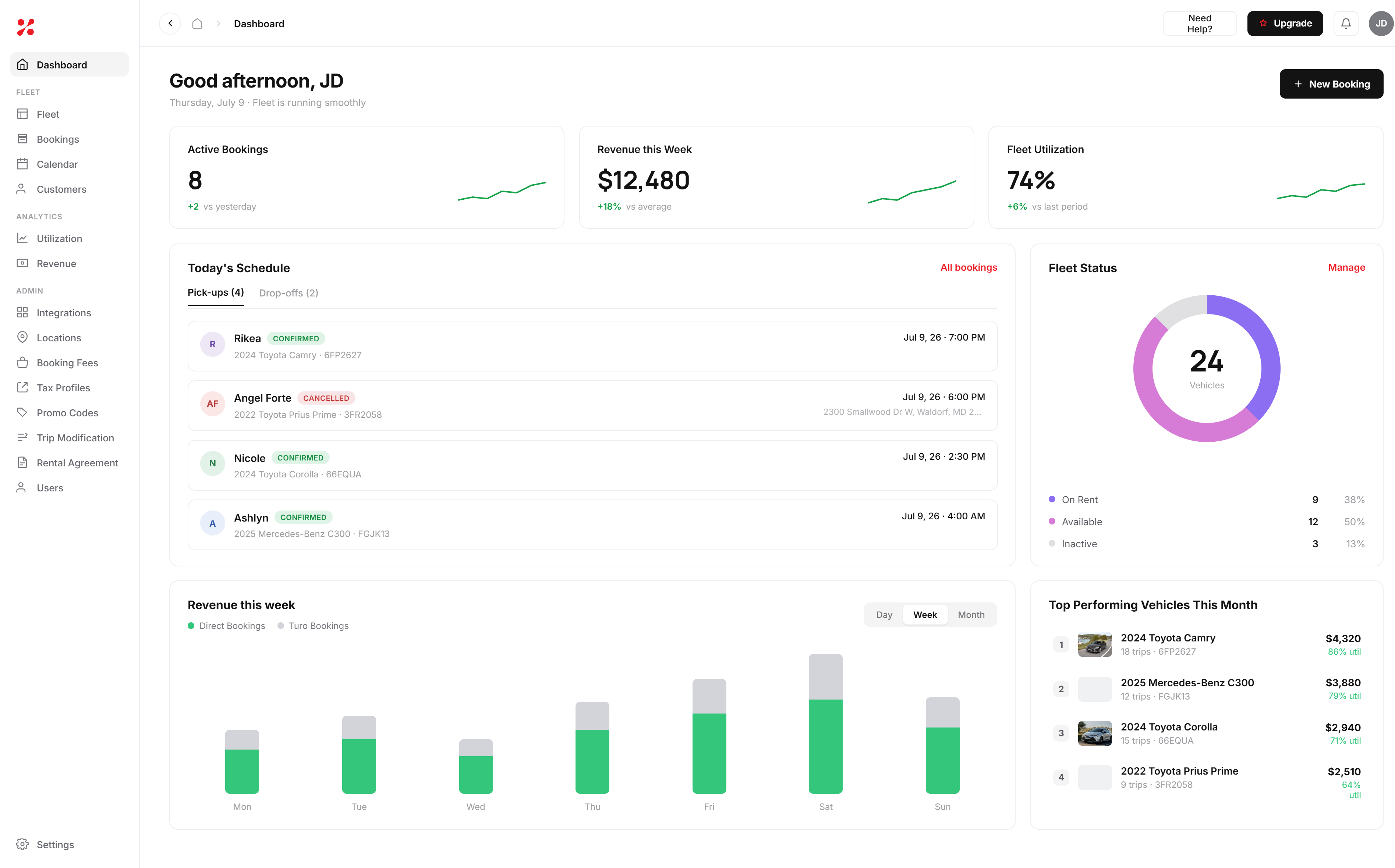
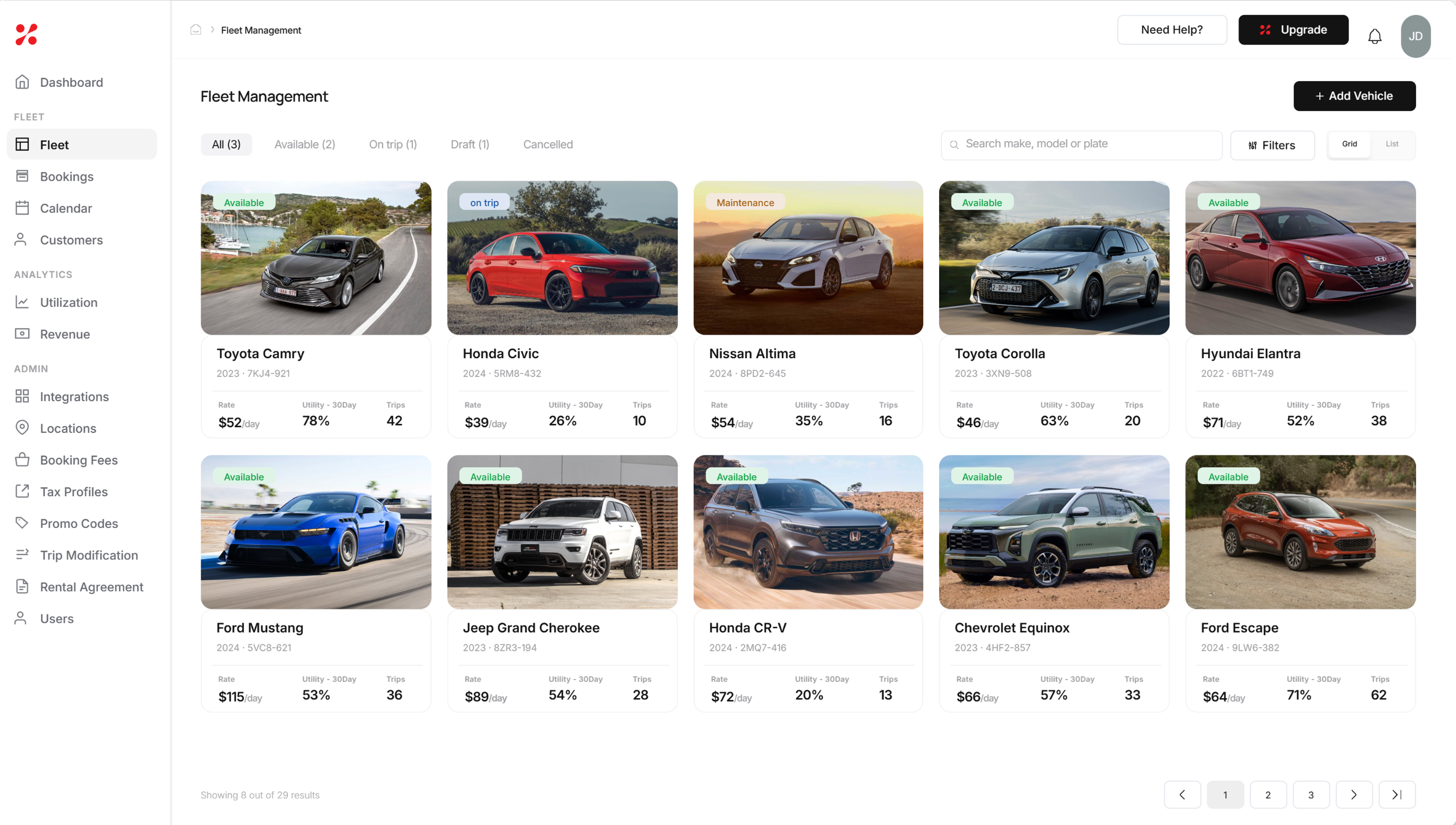
True enterprise expansion is realized when independent operators build their own standalone direct reservation engine, capture first party customer records, and run their logistics through a modern car rental management system. Deploying this technology allows owners to seamlessly manage live calendars, dynamic yield pricing, automated customer vetting, and overall fleet optimization from a secure, centralized dashboard.

This executive launch manual uncovers seven practical, data backed operational frameworks engineered to help fleet managers expand direct reservations, permanently lower marketplace take rate dependencies, and build an independent transport brand with advanced car rental software solutions.

The Core Operational Ceiling of Marketplace Dependency

Many independent fleet managers launch their businesses by placing vehicle assets onto consumer to consumer travel apps because of the low barrier to entry. High intent traffic is already present, localized search visibility is handled natively, and the backend platform manages base payment processing. However, as your operation scales past a few vehicles, this operational convenience becomes a permanent growth ceiling.

While you continue generating gross reservations, you never truly own the underlying customer relationship. You build up five star reviews, yet that social proof remains trapped within a third party ecosystem that can modify its hosting rules or drop your visibility overnight.

The primary goal of an elite fleet manager is not necessarily to abandon marketplaces instantly, but to re architect them as a top of funnel discovery pipeline. The real long term cash flow is driven by routing users to an independent booking engine. By pairing custom digital web funnels with advanced car rental business software tools, your company takes complete control of its margins, asset utilization, and valuation metrics.

7 Direct Booking Blueprints for Fleet CEOs

1. Engineer a Direct Off Platform Migration Funnel

Customer acquisition is typically the highest recurring expense in vehicle logistics. When an unknown renter books your vehicle through an app marketplace, you pay for that user acquisition through aggressive platform commissions. If that same renter returns to the app to book your car next season, you are forced to pay that customer acquisition cost all over again.

The solution lies in creating a strategic “book direct next time” customer journey. During the physical vehicle orientation or handover process, provide your client with a premium, physical welcome folder or a branded key tag. This material must display your custom brand URL, direct customer support coordinates, and an exclusive discount incentive for their next direct reservation.

The message is clear: book direct to save money and bypass corporate intermediate fees. This operational framework shifts the consumer into your private pipeline, maximizing your net margin on subsequent trips while giving the driver an optimized price point.

2. Dominate Hyper Localized Intent (Local SEO)

When a consumer opens a browser and queries high intent keywords like “luxury car rental near me” or “SUV rental in your city,” your brand must appear at the top of the search results layout. Local SEO remains an exceptional engine for direct booking acquisition because these searchers are operating with immediate transactional intent.

To win these highly competitive positions, you must optimize your Google Business Profile from top to bottom. Meticulously outline your exact primary and secondary service categories, map out specific regional service boundaries, upload high resolution images of your vehicle assets, and prominently display your direct booking website link.

Concurrently, your primary web architecture must include geo targeted landing pages customized for airport transfers, corporate accounts, or monthly fleet configurations. When high intent local traffic interacts with a direct booking channel powered by a secure car rental system, the consumer moves smoothly from search to confirmation without ever entering a competitor filled marketplace app.

3. Establish High Yield B2B Local Commercial Partnerships

A massive percentage of highly profitable, multi week rental volume exists completely outside traditional travel aggregators. Strategic fleet owners secure consistent reservations by building programmatic alliances with local corporate and automotive networks.

Establish localized B2B partnerships with local auto body repair centers, commercial insurance adjusters, luxury boutique hotels, and corporate real estate firms. When an insurance client has their vehicle stuck in a repair shop for three weeks, they require a compliant replacement asset instantly. By serving as the primary vehicle provider for local repair networks, your company captures highly consistent, long term booking volume that remains stable even during slower travel seasons.

Provide these commercial partners with custom marketing materials embedded with a trackable QR code that links directly to a dedicated partner landing page. This ensures seamless reservation tracking and allows you to offer custom corporate pricing tiers via your car rental booking software.

4. Optimize Web Trust Signatures to Match Enterprise Brands

The primary reason a retail consumer hesitates to book on an independent website is an underlying friction regarding transactional security and data privacy. To confidently capture direct market share, your private web asset must mirror the structural trust markers displayed by multinational rental agencies.

Your direct portal must present clean high resolution vehicle galleries, completely transparent itemized checkout breakdowns, accessible rental terms, active insurance declarations, and prominent SSL security badges. This level of professional presentation requires moving past outdated, manual inquiry forms.

Your back end system must utilize advanced rental car management software to power a real time booking engine. This tech stack automates live scheduling grids, validates structural driver credentials, processes high value damage deposits, and produces instant rental contracts, making your brand look like a premier enterprise utility from the very first click.

5. Consolidate and Own Your Corporate Social Proof

Consumer reviews are a core intellectual property asset for your company. If your five star review portfolio exists exclusively within a third party marketplace app, the aggregator owns your brand’s digital reputation. A successful direct booking framework requires migrating your customer reviews to platforms you fully control.

Deploy automated post trip communication sequences via SMS or email immediately following every vehicle return. As visually represented in your system blueprints, the completion of a rental period acts as an immediate trigger. The system automatically launches a programmatic communication hook that requests direct client feedback, guiding the renter to log their experience on your Google Business Profile while seamlessly storing their first party data for future retention.

At the same time, direct checkout portals enable you to capture first party customer records, including verified phone contacts, physical addresses, email profiles, and historic vehicle preferences. This data allows you to optimize your lifetime customer value metrics completely independent of unpredictable third party algorithm adjustments.

6. Replace Guesswork with Programmatic Dynamic Yield Pricing

Unoptimized, flat rate pricing structures degrade independent fleet profitability. If your daily rates remain completely static throughout the calendar year, you will give up massive profit margins during localized high demand spikes and suffer poor utilization during seasonal travel dips.

Integrating an advanced car rental software system allows you to execute precise yield management strategies. You can construct automated pricing rules that dynamically shift across daily, weekly, monthly, weekend, or holiday intervals.

For instance, your software can be set to automatically scale up daily rates during peak local conventions or major sporting events, while programmatically dropping baseline prices for long term monthly corporate rentals. This data driven approach maintains a stable fleet utilization target of 70% to 80% while maximizing your overall revenue per available vehicle (RevPAV).

7. Launch Highly Targetable Remarketing and Retargeting Campaigns

The ultimate financial advantage of running an independent direct booking engine is the ability to run direct remarketing funnels to your past customer base. Once you own your client data, you no longer have to spend capital to re acquire your best guests.

When seasonal gaps appear on your booking grid, your team can deploy highly targeted email and SMS blast campaigns directly to past clients who previously rented those specific vehicle classes.

Launching a targeted campaign before major holiday weekends, such as offering a curated weekend escape package with a direct booking discount code, allows you to rapidly fill empty calendar dates. This direct communication infrastructure turns your historical user list into a highly predictable, recurring revenue pipeline.

Conclusion: The Structural Shift Toward True Brand Value

The vehicle mobility industry is moving at an exceptional pace. Relying solely on decentralized peer to peer app channels caps your company’s ceiling and leaves your cash flow vulnerable to external platform shocks. To scale successfully in 2026, fleet operators must build their own direct booking engines, dominate local search layouts, establish commercial partnerships, retain their consumer data, and use advanced software to manage day to day operations.

Implementing premium fleet management software for car rental networks gives independent companies the core technical infrastructure needed to run automated vehicle checking, real time calendar syncing, dynamic pricing, and secure payment captures from a single location. This professional tech foundation saves you manual hours, elevates your customer service, eliminates scheduling conflicts, and allows you to scale your business with absolute certainty.

Are you ready to stop paying double digit marketplace commissions and build a highly automated, independent car rental empire? Take control of your operations and future revenue today. Click here to register for our platform and Start Your Free Trial with FleetHQ, or if you want to map out an automated scaling framework directly with our technical team, Book a 30 Minute Demo Session via our Calendly Link today.

What are the baseline software requirements to successfully manage direct car rental bookings?

To successfully operate direct reservations outside third party app networks, your company requires an advanced car rental management software hub. This tech platform requires three critical functional pillars: a conversion optimized front end website with a live calendar matrix, an automated identity verification (IDV) pipeline to validate driver documentation, and a secure payment processor capable of executing high value credit card security pre authorizations cleanly.

How does specialized car rental software protect independent owners from double bookings?

Modern software for car rental companies platforms utilize real time API integrations and bidirectional calendar sync rules. The exact moment a vehicle asset is reserved on your private direct website or an integrated marketplace channel, the software instantly blocks out those calendar dates across all other connected platforms, keeping your real time availability metrics 100% accurate.

Why is an independent CRM database critical for long term fleet growth?

An independent CRM database enables you to eliminate recurring customer acquisition costs. By owning your first party consumer records, you can execute automated direct email promotions, distribute seasonal SMS discounts, construct loyalty tier rewards, and manage profitable B2B accounts with local companies, travel networks, and insurance adjusters without paying marketplace middleman fees.

Share